

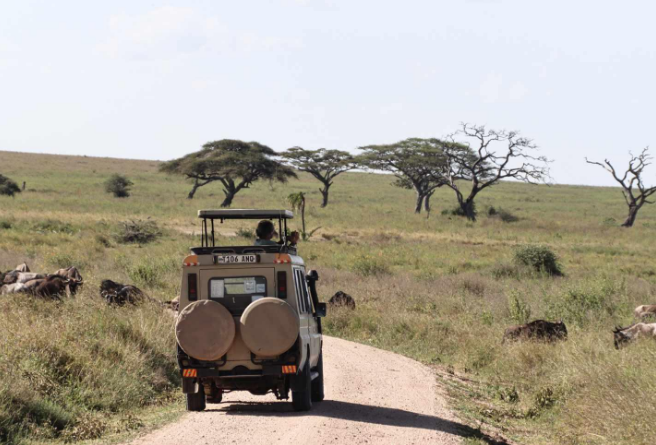
A Tanzania safari often looks effortless from the outside: open plain, calm game drive, wildlife appearing at just the right moment. What’s less visible is how much planning quietly shapes that experience long before travelers arrive.
Most safari disappointments don’t come from bad luck or poor wildlife activity. They come from small planning mistakes that seem harmless on paper but affect comfort, timing, and sighting once on the ground.
Understanding Tanzania Safari Planning mistakes early is one of the easiest ways to turn a good safari into a truly memorable one.
Underestimating Travel Distances
One of the most common safari travel errors in Tanzania is assuming that destinations are closer than they are. On a map, parks like Tarangire, Ngorongoro, and the Serengeti appear clustered together. In reality, rough roads, park entry procedures, and changing terrain mean the drive takes longer than expected.
When distance are underestimated:
- Game drive hours get shortened
- Midday fatigue set in quickly
- Wildlife viewing feels rushed
Spending five or six hours driving between locations in a single day leaves little energy for meaningful safari time. The experience becomes about getting there rather than being there.
Thoughtful planning prioritizes a few locations for in-depth exploration, rather than cramming in too many stops.
Choosing the Wrong Season
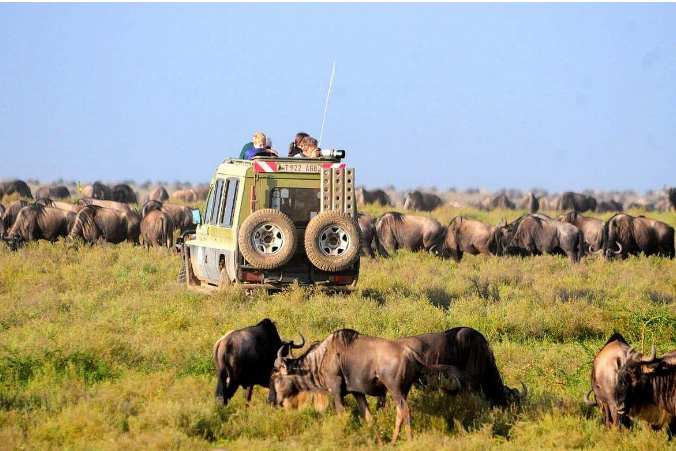
Another common mistake on Tanzania Safaris is choosing a travel date based on labels like peak or off-season without understanding what those seasons actually offer.
Each season delivers a different experience:
- Dry months concentrate wildlife but attract more visitors
- Green seasons bring fewer crowds and newborn animals, but wider wildlife distribution
Problems arise when expectations don’t match reality. Travelers who hope for the river crossing may arrive too early. Others expect constant predator activity, but may be surprised by quiet days during the lush period.
The Best Time To Visit Tanzania isn’t universal; it depends on whether your priority leans toward photography, solitude, migration, or general game viewing.
Planning without aligning goals to the season is one of the most common safaris planning missteps.
Overlooking Camp Location
Accommodation choice is often guided by photos, amenities, or star rating, but in a safari context, location matters far more. A beautifully designed camp located far from the wildlife zone can mean:
- Long daily drive time
- Missed the early-morning sighting
- Limited flexibility at sunset
Meanwhile, a simpler camp positioned near key habitat often deliver rich wildlife experience simply because animals are nearby.
Overlooking the camp location is one of the most subtle yet impactful planning errors that travelers make when planning a Tanzania safari. Where you sleep shapes how your entire day unfolds.
Packing Without Safari Context
Many travelers pack for a safari the same way they would for a city trip or beach holiday and regret it almost immediately. Safari environments demand practical choice:
- Neutral clothing to avoid drawing attention
- Lightweight layers for a cold morning and a warm afternoon
- Soft bag instead of a hard suitcase
Overpacking lead to clutter and inconvenience, while under packing essentials like sun protection or dust-friendly footwear affect daily comfort.
Ignoring a proper Tanzania safari packing list often mean small discomfort that quietly distract from the experience.
Packing with safari context in mind keep focus where it belong on wildlife and landscape.
Ignoring Safari Pace
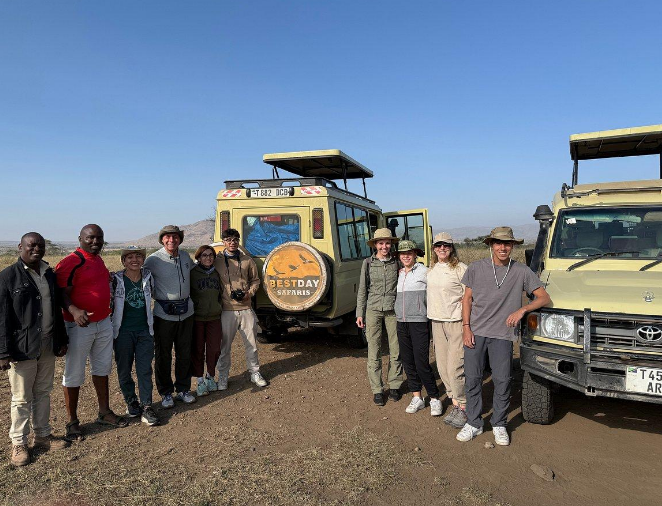
Trying to see everything in a short time is one of the fast ways to dilute a safari experience. Wildlife doesn’t follow schedule. Rushing between parks, squeezing in too many game drives, or chasing every reported sighting turns the experience into a checklist.
When pace is ignored:
- Sighting feels brief and unsatisfying
- Fatigue builds quickly
- The moment of stillness disappears
Safari rewards patience. Staying longer in one ecosystem allows patterns to emerge and encounters to unfold naturally. Slowing down is not a loss, it’s often where the most memorable moments happen.
Why These Mistakes Add Up
Individually, these planning errors seem minor. Together, they shape how a safari feels. A long drive reduces wildlife time. Poor seasonal alignment leads to unmet expectations. Bad camp placement steals golden hours. Rushed pacing removes the magic.
Avoiding these Tanzania safari tips doesn’t require luxury, it requires awareness. This is why experienced planning matter more than expensive upgrade.
Smart Planning Creates Effortless Safaris
The best safari feels natural because the hard thinking was done beforehand. Informed planning consider:
- Realistic travel time
- Seasonal wildlife behavior
- Camp proximity to key habitat
- Balanced pacing
When these elements align, safari days flow easily. Wildlife encounters feel unforced. Comfort come naturally. That’s when safari travel stops feeling like logistics and starts feeling like immersion.
Avoid common planning mistakes and build a Tanzania safari that works smoothly.
